
Side Dishes
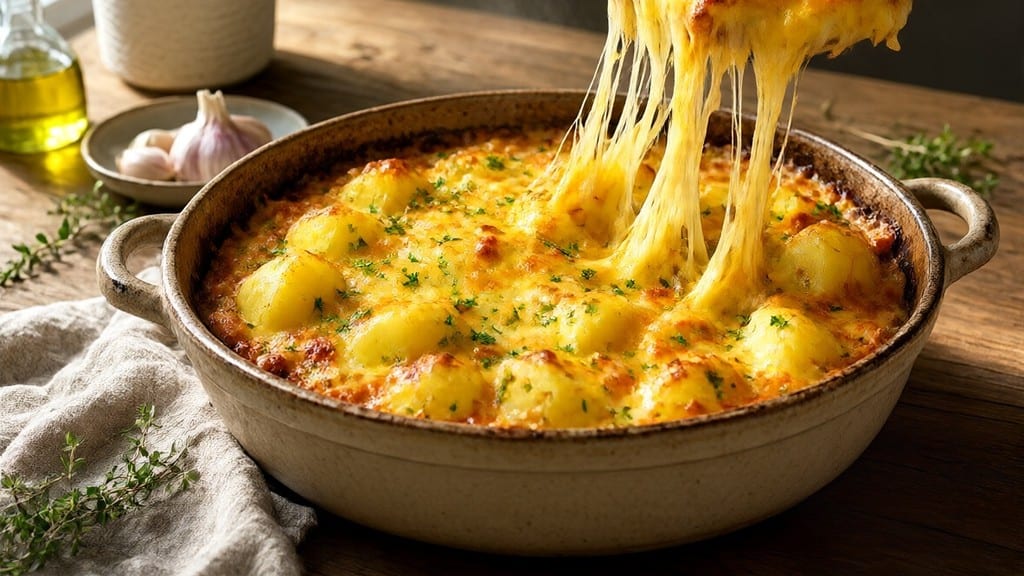
This aligot potatoes recipe transports you straight to the Auvergne mountains of France, where melted cheese transforms humble potatoes into a golden, stretchy masterpiece. 💛 The secret lies in the perfect balance of buttery potatoes and rich, melted cheese that creates that signature elastic texture—like eating warm, cheesy clouds.
I first tasted this dish during a trip to a rustic mountain lodge, where the cook demonstrated how to stretch and fold the cheese-potato mixture until it became velvety smooth.
The recipe begins with creamy Yukon Gold potatoes, boiled until tender and mashed to perfection, then combined with a blend of Gruyère and Cantal cheese—the traditional Auvergne cheeses that give aligot its signature depth.
The key technique is the slow, gentle melting of the cheese over low heat, constantly stretching and folding the mixture until it reaches that signature glossy, golden consistency. This dish is hearty enough to stand alone but pairs beautifully with grilled meats or fresh salads.
What makes aligot truly special is its restaurant-quality texture—neither too runny nor too dry, but perfectly balanced between the two. The cheese stretches like taffy, creating a luxurious mouthfeel with every bite.
Once you master this technique, you’ll never go back to ordinary mashed potatoes. The best part? It’s easier to make than it looks, and the results are always impressive.
For extra authenticity, serve this dish straight from the pot, garnished with a sprinkle of fresh parsley or a drizzle of melted butter. The leftovers reheat beautifully, making it a great make-ahead option for family dinners or holiday gatherings.
Let’s get started on this mountain-inspired masterpiece that’s sure to become a new favorite.
Ingredients for aligot potatoes
Potatoes, cheese, and butter—three humble ingredients that transform into a French mountain masterpiece.
| Ingredient | Amount | Notes |
|---|---|---|
| Yukon Gold Potatoes 🥔 | 2 ½ lbs | Peeled, cut into even chunks |
| Gruyère Cheese 🧀 | 1 ½ cups | Freshly grated, aged variety |
| Cantal Cheese 🧀 | 1 cup | Freshly grated, semi-soft texture |
| Unsalted Butter 🧈 | ½ cup | Cold, cut into small cubes |
| Heavy Cream 🥛 | ½ cup | Full-fat, cold from fridge |
| Fresh Parsley 🌿 | ¼ cup | Chopped, for garnish |
| Kosher Salt 🧂 | 1 ½ tsp | Diamond Crystal preferred |
| Freshly Ground Black Pepper 🌶️ | ½ tsp | Freshly cracked preferred |
| Garlic Cloves 🧄 | 2 cloves | Minced, for extra depth |
| Whole Milk 🥛 | ¼ cup | For creamy texture |
| Extra-Virgin Olive Oil 🫒 | 1 tbsp | For finishing drizzle |
The Yukon Gold potatoes are non-negotiable here—their creamy texture and buttery flavor are essential for that signature stretch. Buy organic if possible; they hold their shape better when boiled. For the cheeses, Gruyère and Cantal are the Auvergne classics—Gruyère for nutty depth, Cantal for its semi-soft melt. I grab mine from Whole Foods or specialty cheese shops, but the pre-grated stuff from Costco works in a pinch (though it lacks that restaurant-quality texture). The key is grating it yourself—pre-shredded gets clumpy and won’t stretch properly. For the butter, Plugrá or Land O’Lakes are reliable, but European-style unsalted butter like Bergère takes this dish to the next level.
No Gruyère? Comté or Emmental work in a pinch, but the flavor won’t be quite the same. Cantal hard to find? Pecorino Romano or aged Gouda can substitute, though they’ll give a slightly different texture. Short on heavy cream? Half-and-half plus a splash of milk gets you close, but the richness is worth the full-fat version. The garlic is optional but adds a lovely depth—skip it if you’re sensitive to strong flavors. For the parsley, fresh is ideal, but dried at one-third the amount works if you’re in a bind. The olive oil? Any good extra-virgin will do—just don’t skimp on quality here.
This dish reheats beautifully—honestly, it’s even better the next day once everything melds together. Store leftovers in an airtight container for up to 5 days, or freeze for 3 months in portions. I like to reheat it gently in a pot with a splash of milk to restore that creamy texture. For serving, a drizzle of extra-virgin olive oil and a sprinkle of fresh parsley elevate it instantly. Leftovers make fantastic lunches—just warm them through and enjoy that cheesy, stretchy goodness all over again.
Why You'll Love This Recipe
- One-Pot Magic: I swear by this—just potatoes, cheese, and cream in one pot. No chopping, no fuss, just melt-in-your-mouth goodness with zero cleanup. The only prep is peeling and slicing, and honestly, that’s half the fun.
- Cheese Overload (In the Best Way): That Gruyère and Cantal combo? It’s like a warm, gooey hug for your taste buds. The butter and cream take it from rich to dangerously creamy, with that perfect stretch when you pull it apart. My kids call it "cheese heaven," and I won’t argue.
- Game for Any Meal: Need a side for Sunday dinner? Done. Bringing a dish to a potluck? Easy. Even a lazy Tuesday night calls for this—it’s that reliable. Serve it under steak, alongside roasted veggies, or just by itself with a crusty baguette. It doesn’t judge.
- Leftovers That Don’t Suck: Between us, most leftovers are sad. Not this. Reheated aligot is still creamy, still cheesy, still good—just add a splash of cream to loosen it up. Plus, it makes enough for seconds, so you’re basically winning twice. Budget-friendly? Absolutely. Worth it? Always.
Step-by-step instructions for aligot potatoes
Here's how to make this creamy, cheesy Auvergne specialty with melt-in-your-mouth texture.
🍳 Step 1: Boil the Potatoes Until Fork-Tender
Place the peeled, even potato chunks in a large pot and cover with cold water. Add the 1.5 tsp kosher salt and bring to a rolling boil over high heat. Once boiling, reduce to medium-high heat and cook for 15-20 minutes until the potatoes are fork-tender but not falling apart.
Here's the thing—you want them to hold their shape but still be soft enough to break down slightly when mashed. If you pierce one with a fork and it slides in easily with just a little resistance, you're golden. Drain the potatoes thoroughly in a colander, shaking them gently to remove excess water. Any remaining moisture will dilute your sauce later, so this step matters.
👨🍳 Step 2: Create the Cheese Sauce Base
In a large, heavy-bottomed saucepan, melt the 0.5 cup unsalted butter over medium heat. Once melted, add the 2 cloves minced garlic and cook for 30 seconds until fragrant—don't let it brown or it'll turn bitter. Add the 0.25 cup whole milk and stir to combine.
Now for the cheese—sprinkle in the 1 cup freshly grated Cantal cheese and 1.5 cups freshly grated Gruyère cheese in small batches, stirring constantly. The cheese should melt smoothly into a thick, velvety sauce. If it looks too thick, add 1-2 tablespoons of the potato cooking water to loosen it. This ensures a silky texture without breaking the sauce.
🥘 Step 3: Combine and Mash to Perfection
Transfer the drained potatoes to the saucepan with the cheese mixture. Using a potato masher or wooden spoon, mash the potatoes directly in the pan until they reach your desired consistency—some lumps are perfect for aligot. The residual heat will help incorporate the cheese evenly.
Stir in the 0.5 cup heavy cream and cook over low heat for 5-7 minutes, stirring constantly. You're looking for a thick, stretchy consistency that clings to the back of a spoon. If it separates at all, add another splash of warm milk or potato water to bring it back together. The sauce should be hot but not boiling—just enough to melt the cheese completely.
🔥 Step 4: Finish and Serve with Flavor
Remove the pan from heat and stir in the 0.5 tsp freshly ground black pepper. Drizzle with 1 tbsp extra-virgin olive oil and toss gently to combine. The oil adds richness and helps prevent the sauce from drying out. Let the aligot rest for 2-3 minutes before serving—this allows the flavors to meld and the texture to set slightly.
Garnish with 0.25 cup chopped fresh parsley just before serving. The bright green color contrasts beautifully with the golden cheese sauce. Serve immediately while still hot—aligot is best enjoyed straight from the pan, where the cheese pulls and stretches with every bite. Pair with a crisp green salad or crusty bread to soak up every last bit of that creamy goodness.
Pro Tips For Making Aligot Potatoes
- Boil Potatoes Until Fork-Tender: Yukon Golds should collapse like butter when pierced—no one likes mushy aligot. Start them in cold, salted water (1 tsp salt per quart) and boil them uncovered at a rolling simmer. If they’re still firm after 15 minutes, they’re not ready yet. I learned this the hard way: undercooked potatoes turn to glue when mixed with cheese.
- Grate Cheese Coarse (No Fine Dust): Skip the food processor—it turns cheese into paste. Use a box grater with medium holes and work in batches. The bigger the shreds, the better they melt into creamy strands. I was skeptical until I tried it: the texture is actually different, and you won’t end up with a cheese brick in your dish.
- Temper the Cream First: Heat the heavy cream to a gentle simmer (just until tiny bubbles form at the edges) before mixing it with the cheese. Cold cream curdles when it hits melted cheese, and no one wants scrambled aligot. A quick 2-minute warm-up makes all the difference—trust me, I’ve had both versions.
- Stretch with Butter (Not Extra Cream): If the mixture looks too thick, add small pats of softened unsalted butter instead of more cream. Butter emulsifies better and adds richness without thinning the sauce. I skip this when I’m lazy, but the dish is noticeably better when I don’t—it’s like the difference between pudding and velvety silk.
Wine and beer pairings for these flavors
French Mountain Reds
Aligot's rich, cheesy character pairs beautifully with bold French reds from the same Auvergne region. I always reach for a glass of Cantal AOC—this local wine mirrors the dish's earthy, nutty notes from the Gruyère and Cantal cheeses.
The wine's slight tannins cut through the richness while complementing the buttery potatoes. For a more accessible option, Côtes du Rhône reds offer similar depth without breaking the bank. 🍷
Creamy Whites for Contrast
If you prefer white wines, a crisp Sancerre or Pouilly-Fumé from the Loire Valley provides the perfect acidity contrast. The mineral notes in these wines cleanse your palate between each stretchy bite of aligot.
For something richer, try a Chardonnay from Burgundy—its buttery profile enhances the dish's creaminess rather than competing with it.
Local Auvergne Beers
For beer lovers, the Auvergne region produces excellent blond ales that pair wonderfully with aligot. Look for Bière de Garde styles like La Choulette—these malty, slightly sweet beers balance the dish's richness.
If you can't find Auvergne beers, a Belgian Dubbel with its caramel and spice notes works beautifully too. 🍺
Coffee Pairing Surprise
Here's a fun twist I discovered: a small cup of dark roast coffee after dinner helps cut through the richness. The bitterness in the coffee enhances the cheese flavors, making each bite taste even more luxurious.
I like to serve a French press with a robust Auvergne blend—it's become a favorite way to end aligot meals.
Regional Cheese Wines
For an authentic experience, pair aligot with wines made from grapes grown near the Cantal cheese region. Malbec from Cahors offers deep fruit flavors that complement the dish's creamy texture.
The wine's dark fruit notes echo the rich, earthy qualities of the Cantal cheese. I've also found that Gamay from Beaujolais works surprisingly well with its juicy red fruit character.
Nutrition facts
Frequently asked questions
What makes aligot potatoes different from regular mashed potatoes?
The magic lies in the cheese-stretching technique and texture. Unlike regular mashed potatoes, aligot creates a glossy, elastic consistency from melted cheese that pulls like taffy. The combination of Gruyère and Cantal cheese gives it that signature mountain lodge richness, while the slow melting process creates those signature stretchy strands.
Can I substitute the cheeses if I can't find Gruyère or Cantal?
For Gruyère, try Comté or Emmental—they'll give a similar nutty flavor. If Cantal is unavailable, aged Gouda or Pecorino Romano work well, though the texture may differ slightly. The key is using freshly grated cheese (not pre-shredded) for the best melt. Pre-shredded cheese contains anti-caking agents that prevent proper stretching.
Why does my aligot turn out too runny or too thick?
Runny aligot usually means too much liquid—either from undercooked potatoes (releasing more moisture) or adding too much cream. For thick aligot, you may have overcooked the potatoes or not used enough cheese. The fix? For runny versions, cook longer over low heat to evaporate excess moisture. For thick versions, stir in 1-2 tablespoons of warm milk or potato water to loosen it. Always keep heat low to prevent separation.
How do I reheat aligot without making it dry?
Reheat gently in a pot over low heat with a splash of whole milk or cream to restore moisture. Stir constantly and cover the pot to trap steam. For microwave reheating, cover with a damp paper towel and heat in 30-second bursts, stirring between each. The leftovers actually improve overnight as flavors meld—just add a bit more cream when reheating.
What's the best way to serve aligot as a main dish?
Turn it into a hearty meal by serving with grilled steak, chicken, or smoked salmon on top. For a vegetarian option, add caramelized onions or sautéed mushrooms. Garnish with fresh parsley and a drizzle of truffle oil for extra elegance. In Auvergne, it's often served family-style straight from the pot with crusty bread to soak up every last bit.