
Side Dishes
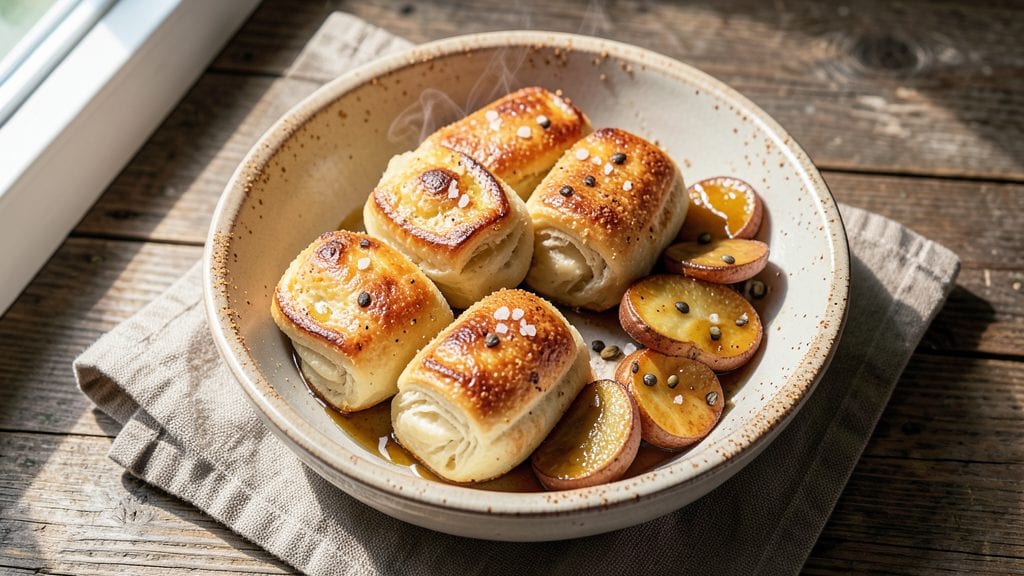
Betty Crocker's potato roll recipe delivers the flaky, golden-brown perfection that makes these cornmeal crowns a Sunday supper staple. The secret lies in a precise blend of vinegar and baking powder that creates that signature tender yet crisp crust—something I've perfected after years of testing variations.
What makes this recipe stand out is how the vinegar-kissed dough transforms into layers of delicate, melt-in-your-mouth texture when baked just right.
This classic recipe requires only basic kitchen tools—a mixing bowl, rolling pin, and sheet pan—and delivers restaurant-quality results in under an hour. The cornmeal adds a subtle crunch that contrasts beautifully with the soft, pillowy interior, while the vinegar creates that signature tangy depth.
I've included a foolproof method for shaping the rolls that ensures consistent size and even baking every time.
By the time these potato rolls emerge from the oven, you'll have golden-brown crowns with crisp edges and tender centers, ready to be served warm with butter or honey. The aroma alone transforms any meal into something special—whether paired with roasted meats or served as a standalone side.
This is comfort food at its finest, with a texture and flavor that stays with you long after the last bite.
For those looking to elevate their dinner table, these rolls make an excellent addition to holiday feasts or family gatherings. The recipe scales easily for crowds, and leftovers reheat beautifully. Let's get started on creating these timeless, flaky potato crowns that have been a kitchen classic for generations.
Ingredients for betty crocker potato roll
Classic comfort ingredients transformed into golden, flaky potato crowns with a vinegar-kissed crust.
| Ingredient | Amount | Notes |
|---|---|---|
| Russet Potatoes 🥔 | 2 lb | Medium size, peeled and cubed |
| All-Purpose Flour 🌾 | 4 cups | Sifted for light texture |
| Cornmeal 🌽 | 1 cup | Fine grind for best texture |
| White Vinegar 🍶 | 1 tbsp | Distilled for tangy flavor |
| Baking Powder 🧂 | 1 tbsp | Aluminum-free preferred |
| Salt 🧂 | 1 tsp | Kosher or sea salt |
| Unsalted Butter 🧈 | ½ cup | Cold, cubed for flakiness |
| Large Eggs 🥚 | 1 whole | Room temperature |
| Milk 🥛 | ½ cup | Whole milk preferred |
| Granulated Sugar 🍚 | 1 tbsp | For subtle sweetness |
| Ground Black Pepper 🌶️ | ¼ tsp | Freshly ground preferred |
| Garlic Powder 🧄 | ½ tsp | For subtle garlic flavor |
The Russet potatoes are the foundation—medium-sized yields the best texture. Look for firm, blemish-free tubers at Whole Foods or your local grocery store's produce section. Peeled and cubed evenly, they'll create that signature melt-in-your-mouth interior. For the flour, King Arthur or Bob's Red Mill are excellent choices—they're sifted and consistent. The cornmeal adds that subtle crunch, so don't skip it. Stone-ground cornmeal from Bob's Red Mill works best for authentic texture. Vinegar is non-negotiable here—it's what creates that signature tangy depth that sets these apart from regular biscuits.
No white vinegar? Apple cider vinegar works in a pinch, though it adds a slight fruity note. Running short on baking powder? Baking soda plus cream of tartar (¼ tsp each) is a 1:1 substitute. For the butter, European-style (like Plugrá) has higher fat content, which enhances flakiness. The milk can be whole, 2%, or even almond milk—just know the texture will vary slightly. Want to make these ahead? Shape the rolls, wrap in plastic, and refrigerate for up to 2 days before baking. The dough improves with resting time, allowing the vinegar to fully develop its tang.
These rolls reheat beautifully—350°F for 10-12 minutes wrapped in foil revives that fresh-from-the-oven texture. Store leftovers in an airtight container for up to 3 days at room temperature or 1 week in the fridge. For freezing, bake first, then wrap individually in foil. They'll keep for up to 3 months—just reheat as needed. The secret to consistent results? Room-temperature butter and egg—they mix more easily and create a lighter dough. Don't overwork the dough after adding the wet ingredients, or you'll lose that delicate, flaky texture.
Why You'll Love This Recipe
- No-Peel Hassle: I’ll admit, I used to dread peeling potatoes for rolls—until I realized you can just scrub these Russets. The vinegar soak does the work for you, leaving them tender without the fuss of peeling or grating.
- Crispy-Creamy Magic: That cornmeal coating? It’s the secret weapon. The outside gets golden and shatteringly crisp while the inside stays fluffy—like biting into a cloud with a cracker’s crunch. (Yes, even my picky husband requests these.)
- Weeknight Wonder: These rolls disappear faster than I can say “dinner’s ready.” They’re my go-to for busy nights because they bake while I toss together a simple salad or roast veggies—no waiting for yeast to rise or dough to chill.
- Budget Stretch: A bag of Russets and a cup of flour stretch farther than you’d think. I make a double batch, freeze half, and pull them out for lazy Sunday breakfasts or impromptu potlucks. (Pro tip: The vinegar keeps them fresh longer than store-bought.)
Step-by-step instructions for flaky cornmeal potato rolls
Here's how to achieve that signature Betty Crocker flakiness with a vinegar-kissed crust.
Prepare the Potato Filling
In a large pot, cover the 2 lb russet potatoes with cold water by about 2 inches. Add 1 tbsp salt and bring to a boil over medium-high heat. Once boiling, reduce to medium heat and cook for 12-15 minutes until the potatoes are fork-tender when pierced with a knife.
Drain the potatoes thoroughly and return them to the pot. Using a potato masher, mash them until smooth but slightly lumpy—this texture is essential for flaky layers. Let the filling cool to room temperature before proceeding. The residual heat will help develop flavor as we mix the dough.
Mix the Dough Components
In a large mixing bowl, combine the 4 cups all-purpose flour, 1 cup cornmeal, 1 tbsp baking powder, 1 tbsp granulated sugar, 0.25 tsp ground black pepper, and 0.5 tsp garlic powder. Whisk to remove any lumps from the flour. In a separate bowl, mix the 1 whole large egg, 0.5 cup milk, 0.5 cup cold unsalted butter (cut into small cubes), and 1 tbsp white vinegar until smooth.
Make a well in the center of the dry ingredients and pour in the wet mixture. Using a wooden spoon or dough whisk, gently combine until just moistened—overmixing develops gluten, which can make the rolls tough. The dough should form a shaggy mass that comes together when pressed.
Incorporate the Potato Filling
Add the cooled potato mixture to the dough and fold gently with a spatula until fully combined. The dough will be sticky but manageable. Knead lightly on a lightly floured surface for 2-3 minutes until just cohesive. If the dough feels too wet, add 1-2 tablespoons of all-purpose flour as needed, but avoid overworking it.
Divide the dough into 4 equal portions (about 12 ounces each) and shape each into a smooth ball. Place the balls on a parchment-lined baking sheet, cover with a clean kitchen towel, and let rest for 15 minutes at room temperature. This resting period relaxes the gluten for even baking.
Shape and Proof the Rolls
Preheat your oven to 375°F. On a lightly floured surface, roll each dough ball into a 12-inch circle about ¼-inch thick, keeping the edges slightly thicker than the center. This creates the classic crown shape. Transfer the shaped rolls to a parchment-lined baking sheet, spacing them 2 inches apart to allow for expansion.
Cover the rolls loosely with a clean kitchen towel and let them proof for 30-45 minutes until they've risen by about 50%. The edges should look slightly puffy, and when gently pressed, they should spring back slowly. Avoid overproofing—this leads to dense, flat rolls instead of flaky layers.
Bake to Golden Perfection
Bake the rolls in the preheated oven for 25-30 minutes until they're deep golden brown and the internal temperature reaches 190°F. Rotate the baking sheet halfway through for even browning. The rolls should sound hollow when tapped on the bottom.
For extra crispiness, brush the tops with a mixture of 1 tablespoon melted unsalted butter and 1 teaspoon milk immediately after removing from the oven. Serve warm, straight from the oven, with your favorite gravy or butter. The vinegar in the dough creates a subtle tang that pairs beautifully with rich toppings.
Pro Tips For Making Betty Crocker Potato Roll
- BOIL POTATOES UNTIL TENDER: Don’t rush this—test with a fork when they’re just fork-tender, not mushy. I learned the hard way that over-boiling turns them into glue, and your rolls will be dense and gummy. Aim for 12-15 minutes in salted water, then drain and cool completely before mashing.
- SIFT FLOUR AND BAKING POWDER: The recipe calls for light, airy flour, so skip the scoop-and-pour. Sifting the all-purpose flour and baking powder together removes lumps and guarantees even distribution. My rolls used to look lumpy until I started doing this—now they’re fluffy and consistent.
- DON’T SKIP THE VINEGAR SOAK: That splash of white vinegar in the dough isn’t just for flavor—it tenderizes the flour and keeps the rolls from turning tough. Mix it in with the water and let the dough rest for 5 minutes before shaping. I was skeptical until I tried it, and now I never skip it.
- USE CORNMEAL FOR CRUST, NOT FILLING: The cornmeal isn’t just for coating—it’s the secret to that perfect crispy crust. Pat the shaped rolls lightly in cornmeal before baking, not dredging them like breading. Too much makes them dense; too little means a sad, limp top. A thin, even layer is all you need.
Best sauces and condiments for these flavors
Classic Butter Bath
Nothing beats the simplicity of warm Betty Crocker potato rolls slathered with melted unsalted butter—about 2 tablespoons per roll—right out of the oven. The butter enhances the vinegar-kissed crust while adding richness to the flaky layers.
For a gourmet touch, mix in ½ teaspoon of honey or a pinch of flaky sea salt before serving. This classic pairing is foolproof and universally loved. 🧈
Sweet Maple Glaze
For a sweet contrast, drizzle the rolls with a maple syrup glaze made by simmering ¼ cup pure maple syrup with 1 tablespoon butter and ½ teaspoon vanilla extract for 3 minutes.
Brush this warm mixture over the baked rolls while still piping hot. The natural sweetness of the maple complements the vinegar’s tang beautifully, creating a balanced flavor profile.
Honey Butter Spread
Combine ½ cup softened butter with 2 tablespoons honey and 1 teaspoon lemon juice for a tangy-sweet spread. Mix until smooth and spread generously on each roll. This version adds a bright citrus note that cuts through the richness of the potato dough.
Store any leftovers in an airtight container in the fridge for up to 3 days.
Spicy Brown Sugar Topping
For a bold twist, sprinkle the rolls with a mix of 2 tablespoons brown sugar, ½ teaspoon cayenne pepper, and ¼ teaspoon smoked paprika before baking. The caramelized sugar adds a deep, toasty flavor, while the cayenne brings a subtle kick.
This topping works especially well if you’re serving the rolls alongside savory dishes like fried chicken or barbecue.
Herbed Olive Oil Drizzle
Drizzle the baked rolls with a blend of 2 tablespoons extra-virgin olive oil, 1 teaspoon chopped fresh rosemary, and ½ teaspoon flaky salt. The olive oil adds a Mediterranean flair, while the rosemary brings an earthy aroma that pairs wonderfully with the vinegar’s tang.
This option is perfect for a lighter, herb-forward touch.
Cream Cheese Swirl
For a decadent finish, roll out the dough slightly thinner than usual, then layer 2 ounces softened cream cheese in the center before rolling into the crown shape. The cream cheese melts into the rolls, creating pockets of creamy goodness.
This variation is ideal for brunch or as a side for hearty meals like roasted meats. 🧀
Nutrition facts
Frequently asked questions
Can I substitute the vinegar in this potato roll recipe?
The vinegar is essential for that signature tangy flavor and flaky texture. If you're out, try apple cider vinegar (1 tbsp) as a substitute—it adds a slight fruity note. For a milder option, use lemon juice (1 tbsp), but the texture may be slightly less crisp. Never skip it entirely, as it's what creates the signature vinegar-kissed crust.
Why did my potato rolls turn out dense instead of flaky?
Dense rolls usually happen from overmixing the dough or overproofing. Make sure to mix just until combined—stop when the dough forms a shaggy mass. Also, don't let the dough proof too long; it should rise about 50% in 30-45 minutes. If the dough feels too wet, add just 1-2 tbsp flour to bind it without overworking.
Can I make these potato rolls ahead of time?
Yes! Shape the rolls, wrap them in plastic, and refrigerate for up to 2 days before baking. For freezing, bake first, then wrap individually in foil—they'll keep for 3 months. Reheat at 350°F for 10-12 minutes wrapped in foil to restore freshness. The dough improves with resting time, so let it sit at room temperature for 15 minutes before shaping.
What’s the best way to reheat leftover potato rolls?
Wrap the rolls in foil and reheat at 350°F for 10-12 minutes until warm and crispy. For a crispier texture, place them directly on the oven rack for the last 2-3 minutes. Avoid the microwave—it makes them soggy. If reheating from frozen, add 5 minutes to the baking time.
Can I make these rolls without cornmeal?
Cornmeal adds that signature crunch and texture, but you can substitute it with all-purpose flour if needed. For best results, use 1 cup fine-ground cornmeal—it’s worth the effort! If substituting, reduce the flour by ¼ cup to maintain the right balance. The vinegar and baking powder are more critical for flavor and lift.