
Side Dishes
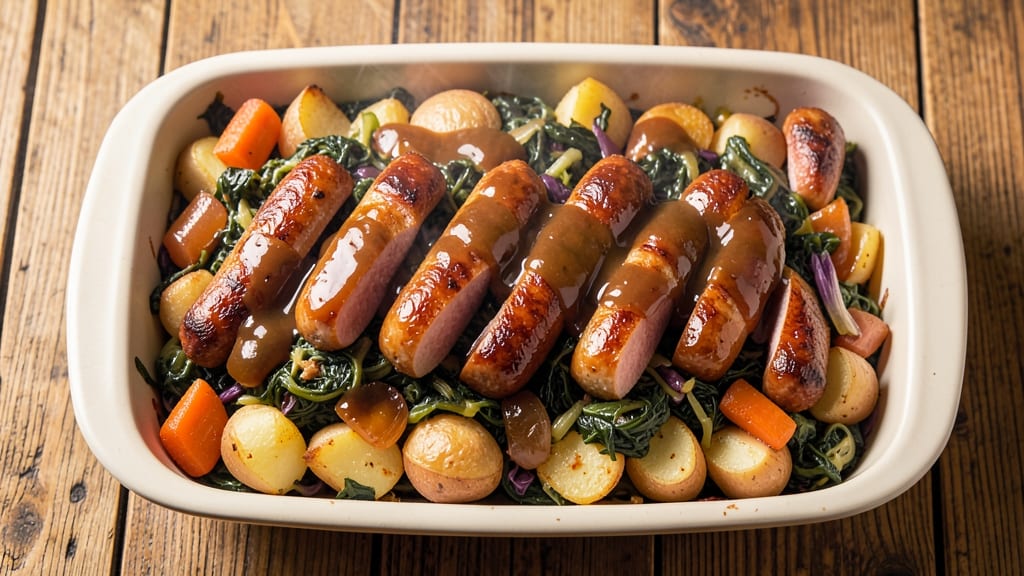
This bratwurst, sauerkraut, and potato casserole delivers the comforting flavors of a German tavern in one satisfying one-pan meal. The combination of tender bratwurst, tangy sauerkraut, and fluffy potatoes creates a hearty dish perfect for family dinners or gatherings.
I've perfected this recipe over years of testing, ensuring every bite is packed with savory depth and satisfying texture.
The beauty of this dish lies in its simplicity and versatility. You'll start by browning the bratwurst to develop rich, caramelized flavors before layering everything in a single baking dish.
The potatoes absorb the savory juices while becoming perfectly tender, and the sauerkraut adds that signature tangy brightness. This method guarantees a restaurant-quality meal with minimal cleanup.
What you'll end up with is a golden, bubbling casserole that smells like home and tastes even better. The bratwurst stays juicy and flavorful, the potatoes are creamy yet hold their shape, and the sauerkraut maintains its signature tang.
Each forkful delivers a perfect balance of textures and flavors that make this dish a crowd-pleaser every time.
Serve this comforting casserole with a side of crusty bread to soak up every last bit of delicious sauce. The recipe scales beautifully, making it ideal for feeding a crowd or preparing ahead for busy weeknights. Here's everything you need to create this hearty German-style dinner in your own kitchen.
Ingredients for bratwurst sauerkraut and potato casserole
Six simple ingredients transform into a hearty German-style casserole with rich flavors and satisfying textures.
| Ingredient | Amount | Notes |
|---|---|---|
| Bratwurst Sausages 🌭 | 1 ½ lb | High-quality, fresh or frozen |
| Russet Potatoes 🥔 | 3 lb | Medium size, peeled and sliced |
| Sauerkraut 🥬 | 1 ½ cups | Drained and rinsed |
| Onions 🧅 | 2 medium | Yellow or red, sliced |
| Carrots 🥕 | 3 medium | Peeled and sliced |
| Beef Broth 💧 | 2 cups | Low-sodium preferred |
| Heavy Cream 🥛 | ½ cup | Full-fat for richness |
| All-Purpose Flour 🌾 | 2 tbsp | For thickening sauce |
| Dijon Mustard 🍯 | 1 tbsp | For tangy depth |
| Bay Leaves 🌿 | 2 whole | Fresh preferred |
| Black Peppercorns 🌶️ | 1 tsp | Freshly cracked |
| Salt 🧂 | 1 ½ tsp | Diamond Crystal kosher |
| Fresh Parsley 🌿 | ¼ cup | Chopped for garnish |
| Butter 🧈 | 2 tbsp | Unsalted, for topping |
The bratwurst is the star here—Johnsonville or local butcher sausages work best. Look for high-quality, fresh links that won't dry out during baking. If using frozen, thaw overnight in the fridge. The potatoes should be Russet or Yukon Gold—they hold their shape better than waxy varieties. For the sauerkraut, Bubbier's or local German brands from the deli section have the best tang. If you can't find it fresh, the canned kind works fine, just rinse well to remove excess brine. The onions and carrots add natural sweetness that balances the richness of the bratwurst.
No beef broth? Chicken broth with a splash of Worcestershire sauce works in a pinch. Running short on heavy cream? Half-and-half or whole milk will work, though the sauce won't be as rich. The Dijon mustard is key for that signature tang—Maille or whole-grain varieties add more depth. If you don't have fresh bay leaves, dried at one-fourth the amount is fine, but toast them lightly first. The flour is just for thickening the sauce, so don't skip it—it helps create that perfect creamy consistency. For the parsley, fresh is best, but dried at one-tenth the amount will work if you're in a bind.
This casserole tastes even better the next day, so make it ahead if you can. Store leftovers in an airtight container in the fridge for up to 5 days. For longer storage, portion into freezer-safe containers and freeze for up to 3 months. The butter topping should be added just before serving—it creates a golden crust that's irresistible. If you're serving a crowd, double the recipe—it scales beautifully without losing its hearty charm.
Why You'll Love This Recipe
- One-Pan Magic: I swear by this recipe—just toss everything in one deep dish, bake, and walk away. No chopping boards to clean, no extra pots clogging the sink. The bratwurst browns right alongside the potatoes, and that sauerkraut soaks up all the juices like a flavor sponge.
- Weeknight Workhorse: This dish is my go-to when I’m feeding a crowd or just too tired to fuss. Serve it with crusty bread for a hearty Sunday dinner, or pack leftovers for lunch—it reheats like a dream. Even my picky teen clears his plate (and asks for more).
- Leftovers That Don’t Suck: Between us, most casseroles turn into sad, dry messes the next day. Not this one. The bratwurst stays juicy, the potatoes hold their shape, and the sauerkraut adds a bright punch. I make a double batch on Sundays and eat it all week—no complaints, just satisfaction.
Step-by-step instructions for bratwurst, sauerkraut, and potato casserole
Here's how to create a rich, comforting casserole that balances smoky bratwurst with tangy sauerkraut and tender potatoes.
Prepare the Vegetable Base
In a large Dutch oven, melt the 2 tablespoons butter over medium heat. Add the sliced onions and carrots, cooking for 5-6 minutes until they begin to soften and release their sweet aroma. This gentle cooking prevents the vegetables from turning mushy while developing their natural flavors.
Next, stir in the 1.5 cups drained and rinsed sauerkraut, breaking up any large clumps with a wooden spoon. Add the 2 whole bay leaves and 1 teaspoon freshly cracked black peppercorns, letting the mixture cook for another 3-4 minutes. You'll notice the sauerkraut begins to soften slightly and release its characteristic tangy liquid. This step builds the flavor foundation for your casserole.
Cook the Bratwurst and Create the Sauce
Remove the bratwurst sausages from their packaging and pat them dry with paper towels. Add them to the Dutch oven and cook for 5-6 minutes, turning occasionally, until they develop a golden-brown crust. This initial searing enhances their flavor before they finish cooking in the oven.
Once the bratwurst are browned, sprinkle the 1.5 teaspoons salt evenly over the entire mixture. Stir in the 2 tablespoons all-purpose flour and 1 tablespoon Dijon mustard, coating everything evenly. Pour in the 2 cups beef broth, scraping up any browned bits from the bottom of the pot. This creates a velvety sauce that will later thicken beautifully.
Layer the Potatoes and Bake
Peel and slice the 3 pounds russet potatoes into ¼-inch thick rounds. Arrange them evenly over the bratwurst mixture, slightly overlapping the slices. The potatoes should cover all the contents of the Dutch oven completely. Pour the 0.5 cup heavy cream evenly over the top of the potatoes.
Cover the Dutch oven with a tight-fitting lid and transfer it to a preheated 375°F oven. Bake for 45 minutes, then remove the lid and continue baking for another 15-20 minutes until the potatoes are fork-tender and the top is golden brown. You'll know it's done when the potatoes easily slide off your fork and the edges are crispy.
Finish and Serve
Remove the casserole from the oven and let it rest for 10 minutes before serving. This resting period allows the juices to redistribute throughout the dish, ensuring each bite is moist and flavorful. Discard the bay leaves before serving.
Garnish each serving with the chopped 0.25 cup fresh parsley and an additional sprinkle of black pepper. The parsley adds a fresh contrast to the rich, savory flavors of the casserole. Serve immediately with crusty bread to soak up any remaining sauce—this hearty dish is best enjoyed fresh from the oven.
Pro Tips For Making Bratwurst Sauerkraut And Potato Casserole
- Brown the Bratwurst First: Don’t skip this step—sizzling the sausages in a dry skillet for 3-4 minutes before adding them to the casserole builds flavor you’ll miss otherwise. I used to toss them in raw, and the dish always tasted underwhelming. High heat, 2 minutes per side, then set aside.
- Parboil Potatoes Separately: Russets break down fast in sauerkraut’s acidity. Boil them whole for 8-10 minutes until fork-tender, then slice them into the casserole. This keeps them from turning to mush while the rest cooks—no one wants gluey potatoes in their dish.
- Drain and Rinse Sauerkraut: Skip the soggy texture by draining the sauerkraut and giving it a quick rinse under cold water. Pat it dry with paper towels—this removes excess brine and prevents your casserole from turning into a watery mess. Trust me, your taste buds will notice.
- Add Caramelized Onions: Cook the onions low and slow for 15-20 minutes until deep golden, not just soft. Their sweetness cuts through the tang of the sauerkraut and bratwurst, making the whole dish sing. I know it takes time, but it’s worth it—skip this, and you’re missing the best part.
Regional styles of bratwurst sauerkraut and potato casserole
Bavarian Heartland Style
The classic Bavarian approach focuses on smoked bratwurst and sauerkraut as the core flavors, with a touch of dark beer in the sauce instead of broth. I like using Weihenstephaner Original beer for its malty depth.
The potatoes are often parboiled first to ensure they stay tender, and the dish is finished with a sprinkle of coarse sea salt and fresh chives instead of parsley. 🌟
Northern German Twist
In regions like Hamburg, the casserole incorporates pickled beets into the sauerkraut layer for a vibrant color and sweet-tart contrast. The bratwurst is often cooked in a mix of broth and apple cider (about ½ cup cider) to balance the richness.
I've found that adding 1 teaspoon caraway seeds to the potato layer enhances the Northern German flavor profile beautifully.
Swiss Alpine Variation
The Swiss take this dish to the mountains by adding diced apples (about 1 cup) to the sauerkraut layer, along with a splash of white wine (about ¼ cup) when making the sauce.
The potatoes are sometimes replaced with Swiss potatoes (like Linda variety) and the dish is finished with a Gruyère cheese topping (about ½ cup shredded) before baking. This version feels lighter yet equally hearty.
Austrian Tavern Style
Austrian taverns often serve this as a layered casserole with a crispy potato topping—after baking, they mix the potatoes with 1 egg and 2 tablespoons breadcrumbs, then return it to the oven to create a golden crust.
The bratwurst is typically pre-cooked separately and arranged on top before baking, rather than being cooked in the casserole. A drizzle of sour cream before serving adds a creamy contrast.
Modern American Adaptation
For a crowd-pleasing American version, I've seen success with adding sautéed mushrooms (about 1 cup) to the vegetable base and using sharp cheddar cheese (about 1 cup shredded) on top before the final baking.
The dish also works well with pre-cooked bacon (about 4 slices, crumbled) mixed into the sauerkraut layer for extra smokiness. This version is perfect for game days or family gatherings.
Vegetarian-Friendly Version
To make this dish vegetarian, swap the bratwurst for smoked tofu (about 1.5 lbs) or mushroom sausage (like Field Roast brand). The potatoes and sauerkraut remain the same, but I add 1 tablespoon soy sauce to the vegetable base to mimic the umami depth of the bratwurst.
A sprinkle of nutritional yeast on top adds a cheesy flavor that complements the tangy sauerkraut. 💚
Nutrition facts
Frequently asked questions
Can I use frozen bratwurst in this casserole?
Yes, but thaw them completely first in the refrigerator overnight. Frozen bratwurst can release excess moisture when cooked, making the casserole soggy. Pat them very dry with paper towels before browning to ensure a crispy exterior.
How do I prevent the potatoes from getting mushy?
Slice them ¼-inch thick and arrange them in a single layer without overlapping too much. Parboiling them for 5 minutes before layering also helps maintain their texture. The key is even baking—don't overcrowd the dish.
Can I make this ahead of time?
Assemble the casserole up to 24 hours ahead and refrigerate uncovered. Bake it straight from the fridge, adding 10-15 minutes to the cooking time. For freezing, bake fully, cool completely, then store in an airtight container for up to 3 months. Reheat covered at 350°F until warmed through.
What's the best way to reheat leftovers?
Cover the casserole with foil and reheat at 325°F for 20-25 minutes to prevent drying. For microwave reheating, cover with a damp paper towel and heat in 1-minute intervals, stirring between each. The sauerkraut and potatoes absorb flavors better when warmed gently.
Can I substitute canned sauerkraut?
Yes, but drain it thoroughly and rinse under cold water to remove excess brine. The texture will be slightly softer than fresh, but it still adds great tang. For extra flavor, add ½ teaspoon caraway seeds when cooking the sauerkraut.