
Side Dishes
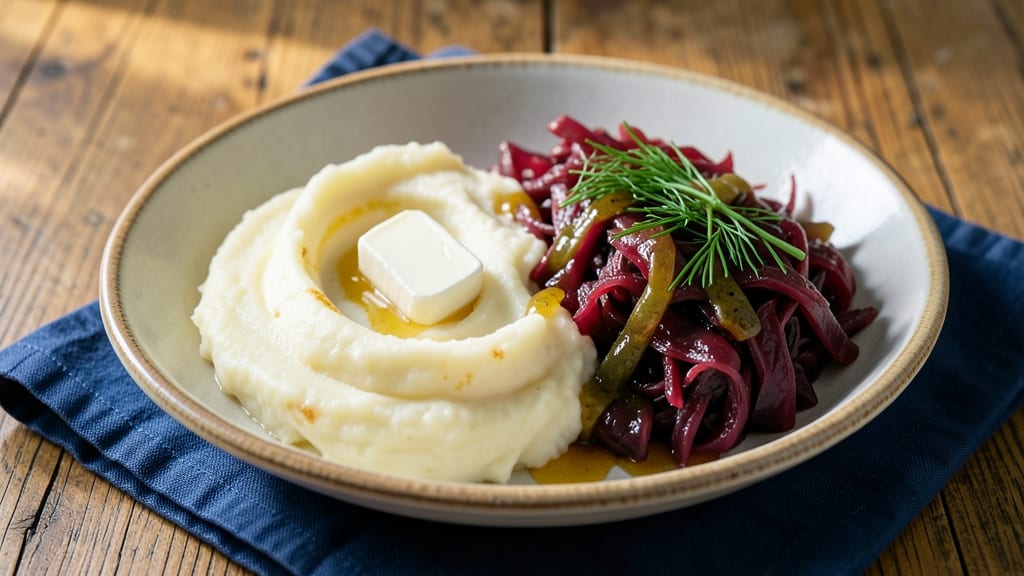
Creating the perfect mashed potatoes and sauerkraut recipe transforms a simple side dish into a flavor-packed centerpiece that balances creamy comfort with tangy brightness. The crispy potato topping adds a satisfying crunch that elevates every bite, proving this dish deserves a spot at your dinner table.
I developed this method after years of experimenting with traditional German sides, refining the technique to deliver restaurant-quality results at home.
What sets this recipe apart is the harmony between velvety mashed potatoes and fermented sauerkraut, whose sharp acidity cuts through the richness while adding depth. The secret to the crispy potato topping lies in proper draining and high-heat baking—no soggy tops here.
This method works for both classic and modern tables, whether you're serving alongside roasted meats or as a vegetarian main with a dollop of sour cream.
The result is a dish where every component plays its part: tender, buttery potatoes with a golden crust, tangy sauerkraut that brightens each spoonful, and optional garnishes like fresh dill or crispy bacon bits for extra texture.
The combination of techniques ensures the potatoes stay creamy while achieving that coveted crispy finish, making this recipe both impressive and approachable.
Perfect for holiday feasts, weeknight dinners, or meal prep, this recipe scales easily while maintaining its balance of textures and flavors. The crispy topping alone makes it worth the effort—imagine the first bite when that golden crust gives way to fluffy potatoes beneath. Let's get cooking!
Ingredients for mashed potatoes and sauerkraut
Six core ingredients transform humble potatoes into restaurant-worthy comfort with German-inspired tang.
| Ingredient | Amount | Notes |
|---|---|---|
| Russet Potatoes 🥔 | 3 lbs | Yukon Gold or similar waxy variety |
| Unsalted Butter 🧈 | 1 cup | European-style preferred for flavor |
| Heavy Cream 🥛 | ½ cup | Full-fat for optimal texture |
| Sauerkraut 🥬 | 2 cups | Unpasteurized for authentic tang |
| Fresh Dill 🌿 | ¼ cup | Chopped, for garnish and flavor |
| Apple Cider Vinegar 🍏 | 1 tbsp | For balancing sauerkraut acidity |
| Diamond Crystal Kosher Salt 🧂 | 1 ½ tsp | For seasoning and potato water |
| Freshly Ground Black Pepper 🌶️ | ½ tsp | Cracked peppercorns preferred |
| Garlic Cloves 🧄 | 2 whole | Roasted for sweetness in mashed potatoes |
| Crispy Bacon Bits 🥓 | ¼ cup | Optional garnish for smoky depth |
| Sour Cream 🍦 | ¼ cup | Full-fat for serving suggestion |
| All-Purpose Flour 🌾 | ¼ cup | For crispy potato topping |
| Extra-Virgin Olive Oil 🫒 | 2 tbsp | For crispy topping and drizzling |
The potato selection is non-negotiable for this recipe—Russet potatoes provide the ideal starch-to-moisture ratio for both creamy mash and crispy topping. Whole Foods or local farmers' markets consistently offer the freshest tubers, but any reputable grocery store's organic section will suffice. Look for potatoes with firm, unblemished skins and avoid those with sprouts. For the sauerkraut, unpasteurized brands like Bubbies or Mascha's deliver the most authentic tang, though any quality sauerkraut will work. The European-style unsalted butter (like Plugrá or Kerrygold) elevates the dish—don't substitute regular butter here, as its lower fat content compromises the velvety texture.
No fresh dill? Dried dill at one-third the amount works in a pinch, though the flavor profile won't be identical. The apple cider vinegar serves a dual purpose—balancing the sauerkraut's acidity while adding subtle sweetness. For the crispy topping, all-purpose flour creates the perfect golden crust, but cornstarch at half the quantity yields an even crispier result. The bacon bits are entirely optional but add a smoky depth that pairs beautifully with the tangy sauerkraut. When roasting the garlic, don't peel it first—the skins protect the cloves from burning, and you'll easily slip them out of their skins after roasting.
Store the uncooked potato mixture (before baking) in an airtight container in the refrigerator for up to 2 days, though the texture may degrade slightly. The crispy topping mix can be prepped ahead and refrigerated for 24 hours before baking, but bake it immediately after removing from the fridge for optimal crispiness. Sauerkraut keeps indefinitely in its jar once opened, but the flavor becomes more mellow over time. For meal prep, assemble the dish completely (without baking the topping) and refrigerate for up to 3 days, then bake the topping fresh when ready to serve. The crispy topping loses its crunch when reheated, so always bake it fresh.
Why You'll Love This Recipe
- One-Pot Magic: I swear by this trick—boil the potatoes and drain them right in the pot you’ll mash in. No extra bowls, no sticky counters. Just peel, boil, mash, and stir in the sauerkraut juice like it’s liquid gold.
- Tangy Creamy Dream: That first bite? The buttery potatoes meet the sharp, funky sauerkraut, then the heavy cream smooths it all out. Honestly, I reach for this when I just want something ridiculously satisfying without overthinking it.
- Leftovers That Shine: This dish actually improves the next day. The flavors meld, the sauerkraut gets even more mellow, and I love reheating it with a splash of milk to keep it fluffy. My lazy Sunday lunches have never been better.
- Budget Powerhouse: Russets and sauerkraut are cheap staples, and a stick of butter plus a splash of cream stretch this into a whole meal. I’ll be real: this is my go-to when I’m broke but still want to feel fancy. (Yes, even on a Tuesday night.)
Step-by-step instructions for mashed potatoes and sauerkraut recipe
This method delivers velvety mashed potatoes with a crispy golden topping and perfectly balanced sauerkraut.
Prepare the Potatoes for Even Cooking
Begin by peeling the 3 lbs russet potatoes and cutting them into even 2-inch chunks. I use a mandoline for precision, but a sharp chef's knife works too. The goal is uniform size—this ensures they cook simultaneously and achieve perfect tenderness.
Place the potato chunks in a large pot and cover with cold water by about 2 inches. Add 1.5 teaspoons diamond crystal kosher salt to the water. Bring to a boil over high heat, then immediately reduce to a gentle simmer. The water should bubble steadily but not violently—this prevents the potatoes from breaking apart.
Simmer for 20-25 minutes until a knife slides in easily. Drain thoroughly in a colander, shaking to remove excess water. Real talk: Don't skip this step. Any remaining moisture will make your mashed potatoes watery instead of creamy.
Create the Crispy Flour Topping
While the potatoes cook, heat 2 tablespoons extra-virgin olive oil in a 10-inch oven-safe skillet over medium heat. Add the 0.25 cup all-purpose flour and stir constantly for 2-3 minutes until it turns a rich golden brown. This is your crispy topping—don't rush it.
Remove the skillet from heat and immediately transfer it to a 400°F oven for 3 minutes. This pre-baking step creates a perfect foundation for your crispy topping. The flour should be evenly browned with no white spots remaining.
I know it seems counterintuitive to remove the pan from the stove before it's fully cooked, but trust me—this two-stage process gives you that ideal crispy texture without burning the flour.
Mash the Potatoes with Butter and Cream
Return the drained potatoes to the pot and let them steam dry for 1 minute. This removes any residual water that might prevent proper mashing. Add the 1 cup unsalted butter and 0.5 cup heavy cream to the pot.
Using a potato masher or ricer, work the potatoes until smooth but with some texture—this prevents them from becoming gluey. I like to keep a few small lumps for authentic rustic texture. The mixture should be light and airy, not dense.
Season generously with freshly ground black pepper and roast the 2 whole garlic cloves until soft. Mash these into the potatoes for subtle sweetness. The butter should be fully incorporated, creating a luxurious, velvety base for your dish.
Assemble and Bake for Crispy Perfection
Spread the mashed potatoes evenly into the preheated skillet with the crispy flour topping. Use a spatula to create gentle swirls in the surface. This creates those beautiful golden peaks we all love.
Bake at 400°F for 15-20 minutes until the edges are deeply golden brown and the top is crispy. You'll see the flour topping puff slightly and develop a caramelized crust. This is where the magic happens—don't peek or you'll lose that crispy texture.
Remove from the oven and let rest for 5 minutes. This resting period allows the internal heat to distribute, ensuring every bite is perfectly creamy and crispy.
Serve with Sauerkraut and Garnishes
Spoon the mashed potatoes onto serving plates, reserving any crispy bits from the skillet for garnish. Warm the 2 cups sauerkraut in a separate pan with 1 tablespoon apple cider vinegar for 3-4 minutes until heated through.
Top each serving with a generous spoonful of sauerkraut, then drizzle with melted butter from the skillet. Finish with the 0.25 cup fresh dill and 0.25 cup crispy bacon bits for color and texture contrast. The tangy sauerkraut cuts through the richness of the mashed potatoes beautifully.
Serve immediately with an additional dollop of 0.25 cup sour cream on the side. This dish delivers the perfect balance of creamy, crispy, and tangy flavors in every bite.
Pro Tips For Making Mashed Potatoes And Sauerkraut
- Boil Potatoes Until Fork-Tender: Russets need to be actually soft—no one likes mushy potatoes that turn to glue when mashed. Test with a fork: it should slide in like butter, not fight you. If they’re still slightly firm, they’ll either overcook into paste or resist the butter later. Drain immediately after boiling—hot potatoes mash better, and lingering in water makes them waterlogged.
- Rinse and Drain Kraut: Sauerkraut comes briny, and if you skip rinsing, your mashed potatoes will taste like a pickle factory. Drain it in a colander, then give it a quick rinse under cold water to cut the sharpness. Pat it dry with a towel—wet kraut steams instead of crisping up when mixed in, and you don’t want soggy cabbage in your mash.
- Warm the Cream First: Cold heavy cream in hot potatoes? That’s a recipe for curdling, and no one wants lumpy mashed potatoes. Heat the cream in the same pot you boiled the potatoes—just warm it for 30 seconds over low heat, then whisk it into the mash. It’ll blend smoothly and give you that silky texture without turning to butter.
- Fold in Kraut Last: Mixing sauerkraut in too early turns your mash into a wet, watery cabbage sludge. Keep it separate until the very end, then fold in just enough to taste—start with ½ cup per 4 servings and adjust. If it’s still too sharp, a pinch of sugar (yes, really) balances the acidity without overpowering.
Wine and beer pairings for this dish
German Riesling Pairing
The crisp acidity of a dry German Riesling from the Mosel region cuts beautifully through the richness of the mashed potatoes while complementing the fermented tang of the sauerkraut.
I recommend a 2022 Dr. Loosen Blue Slate—its mineral notes and citrus brightness mirror the dish's balance of creamy and tangy flavors. Serve slightly chilled (50-55°F) to enhance its refreshing qualities. 🍷
Belgian Witbier Balance
A Belgian witbier like Stella Artois Wit provides the perfect beer pairing with its peppery, citrusy notes that harmonize with the sauerkraut's acidity. The beer's subtle sweetness also pairs well with the buttery mashed potatoes.
For a more robust option, try Hoegaarden—its coriander and orange peel flavors add an unexpected but delightful contrast to the dish's earthy components.
Smoky Rauchbier Option
If you're serving this dish with smoked meats like brisket or sausage, a smoked beer like Schlenkerla Rauchbier adds a complementary smoky depth. The beer's rich maltiness stands up to the sauerkraut's tang while enhancing the overall heartiness of the meal.
For a lighter option, Weihenstephaner Hefeweissbier offers a refreshing contrast with its banana and clove notes.
Cider Pairing for Lighter Palates
For those who prefer non-alcoholic options or lighter flavors, a dry hard cider like Angry Orchard Brut works beautifully. Its crisp apple and citrus notes provide the same refreshing contrast as Riesling while complementing the dish's tangy-sour elements. Serve slightly chilled (45-50°F) for optimal enjoyment.
Wine and Beer Service Tips
When serving wine, pour 5-6 ounces per glass to allow the flavors to develop without overwhelming the dish. For beer, use 12-ounce glasses and serve at the appropriate temperature (45-55°F).
I like to offer both options at gatherings—some guests prefer wine's elegance, while others enjoy beer's approachable refreshment. The key is to let the drink enhance, not compete with, the dish's flavors.
Nutrition facts
Frequently asked questions
Can I make this recipe ahead of time?
Yes, but with a few key adjustments. Prepare the mashed potatoes (without the crispy topping) up to 2 days ahead and refrigerate in an airtight container. For the sauerkraut, store it separately in its jar. When ready to serve, bake the crispy topping fresh—it loses crunch when reheated. Warm the sauerkraut gently with vinegar just before serving to preserve its tang.
What if I don't have fresh dill for garnish?
No problem! Use 1 teaspoon dried dill instead, but reduce the amount by one-third. For extra flavor, try chopped chives or parsley as alternatives. The bacon bits can also be omitted if you prefer a vegetarian version—just add a sprinkle of toasted sesame seeds for texture instead.
How do I fix watery mashed potatoes?
If your potatoes turn out too thin, stir in 1-2 tablespoons cold butter or 1 tablespoon flour to thicken. For next time, ensure you drain the potatoes thoroughly and let them steam dry for 1-2 minutes after draining. Overcooking or not shaking off excess water are the most common causes of watery mash.
Can I use sweet potatoes instead of russets?
Sweet potatoes will change the texture significantly—they're naturally sweeter and more moist. If you must use them, reduce the cooking time to 15-18 minutes and add 1 extra tablespoon of flour to the crispy topping. For best results, stick with russets or Yukon Golds—they're designed for this creamy texture.
Why does my crispy topping keep turning out soggy?
Soggy topping usually means moisture got trapped. Make sure your mashed potatoes are completely dry before spreading them in the skillet. Also, pre-bake the flour topping at 400°F for 3-4 minutes before adding the potatoes. Never open the oven door during baking—this causes steam buildup that ruins the crispiness.