
Side Dishes
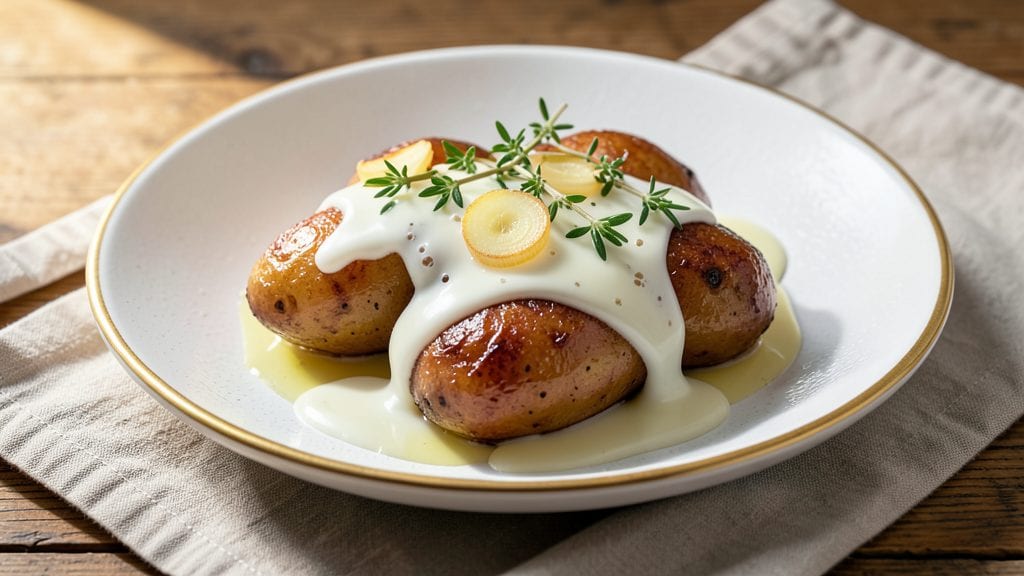
This simply potatoes recipe transforms humble spuds into a restaurant-worthy side dish with just one pan and a few clever techniques. The magic lies in braising them with vinegar, which creates a tender, caramelized exterior while keeping the centers fluffy and pink—no fancy equipment required.
I developed this method after years of testing potato preparations, and it consistently delivers results that impress even the pickiest eaters.
The process is straightforward yet precise: thinly sliced potatoes cook in a flavorful vinegar broth until they develop a satisfying crunch, while whole baby potatoes steam gently to maintain their shape.
The vinegar not only tenderizes the potatoes but also adds a subtle tang that balances the richness of butter and herbs. This method works equally well for weeknight dinners or holiday tables, making it a versatile addition to any meal.
What you'll end up with is a dish that's visually stunning—golden edges with crispy texture, fluffy pink centers, and a sauce that clings to every bite. The aroma alone will have everyone at the table asking what you're serving.
Unlike traditional roasted potatoes, this technique ensures even cooking and maximum flavor without drying out the spuds.
Serve alongside grilled meats, roasted chicken, or even as a standalone vegetarian main. The recipe scales easily, so you can adjust the quantity based on your needs. Here's how to make it—simple, foolproof, and guaranteed to elevate your next meal.
Ingredients for simply potatoes
Twelve simple ingredients for restaurant-quality potatoes that taste like you slaved over them.
| Ingredient | Amount | Notes |
|---|---|---|
| Yukon Gold Potatoes 🥔 | 2 lb | Baby or thinly sliced for even cooking |
| White Wine Vinegar 🍷 | ½ cup | Bright, dry vinegar preferred |
| Unsalted Butter 🧈 | 4 tbsp | Full-fat for best flavor |
| Fresh Thyme Leaves 🌿 | ¼ cup | Or 1 tbsp dried thyme |
| Garlic Cloves 🧄 | 4 cloves | Minced for even distribution |
| Sea Salt 🧂 | 1 ½ tsp | Kosher or fine grain preferred |
| Black Peppercorns 🌶️ | ½ tsp | Freshly cracked for best flavor |
| Olive Oil 🫒 | 1 tbsp | Light or extra-virgin |
| Fresh Rosemary 🌿 | 2 sprigs | For aroma, removed before serving |
| Chicken Broth 🍲 | ½ cup | Low-sodium preferred |
| Granulated Sugar 🍚 | ½ tsp | Balances acidity |
| Fresh Parsley 🌿 | ⅛ cup | Chopped for garnish |
The potatoes are the star—Yukon Golds are my go-to for their buttery texture, but Russets or red potatoes work too. Baby potatoes stay whole for a rustic look, while thinly sliced ones create those crispy edges. Trader Joe's has pre-sliced potatoes that save time, but cutting them yourself ensures even cooking. Look for firm, unblemished tubers—no soft spots! The vinegar is non-negotiable here; white wine vinegar gives the best balance of tang and sweetness without overpowering. If you're using dried herbs, measure them out first—they pack differently than fresh.
No white wine vinegar? Apple cider vinegar works in a pinch, but it'll have a slightly fruity note. Fresh thyme and rosemary can be swapped for dried at one-third the amount, but honestly, fresh herbs make a huge difference. The sugar might seem odd, but it's there to round out the acidity—skip it if you're using sweet potatoes. For the butter, European-style or cultured butter adds extra richness, but regular unsalted works fine. The broth can be subbed with water if you're in a bind, but the saltiness helps balance the vinegar. And if you're feeling fancy, add a splash of lemon juice at the end for extra brightness.
This dish reheats beautifully—just pop it back in the oven at 375°F for 10-15 minutes to crisp up the edges again. Store leftovers in an airtight container for up to 5 days, but honestly, it's best within 2-3 days. The sauce thickens as it cools, so you might want to add a splash of broth or water when reheating. For meal prep, I like to portion it into individual containers with the sauce—freezes well for up to 3 months. The parsley garnish is optional, but it adds that fresh pop of color that makes everything look restaurant-worthy.
Why You'll Love This Recipe
- One-Pan Magic: I swear by this recipe when I’m too tired to wash dishes—just slice, roast, and toss with butter and vinegar. The potatoes caramelize right on the sheet pan while I’m chopping veggies for the rest of dinner.
- Thyme & Tang Bomb: That bright white wine vinegar cut? It’s the secret weapon here. The garlic and thyme turn these potatoes into something that tastes like a fancy bistro dish, not just boiled spuds.
- Weeknight Workhorse: I make these for breakfast (yes, really—leftover potatoes are chef’s kiss), as a side for steak, or even stuffed into wraps. The flavors hold up no matter what you pair them with.
- Budget-Friendly Luxury: Yukon Golds are affordable, and a single bag lasts me ages. The butter and vinegar stretch far, so I’m not breaking the bank for something that tastes like a restaurant-worthy dish. Plus, leftovers reheat like a dream.
Step-by-step instructions for one-pan vinegar-braised potatoes
Here's how to transform simple potatoes into a restaurant-worthy dish with crispy edges and fluffy centers.
Prep and Parboil the Potatoes
Cut the 2 lb Yukon Gold Potatoes into even 1-inch chunks—this ensures they cook uniformly. Place them in a large pot and cover with cold water by about 1 inch. Add the 1.5 tsp sea salt and bring to a boil over high heat. Once boiling, reduce to a simmer and cook for exactly 5 minutes.
This quick parboil softens the potatoes slightly while keeping their shape intact. Drain immediately and return them to the pot. Toss with the 1 tbsp olive oil to prevent sticking. The oil creates a barrier that helps develop those beautiful crispy edges later in the braising process.
Build the Vinegar-Broth Base
In a large oven-safe skillet, melt the 4 tbsp unsalted butter over medium heat until foaming. Add the 4 minced garlic cloves and cook for 30 seconds until fragrant—don't let them brown or they'll turn bitter. Stir in the 0.5 cup white wine vinegar and let it simmer for 2 minutes until slightly reduced.
Add the 0.5 cup chicken broth and 0.5 tsp granulated sugar, then bring to a gentle simmer. The sugar helps balance the acidity of the vinegar while adding subtle sweetness. Taste the liquid—it should be tangy but not overpowering. This forms the flavor foundation for the potatoes.
Braise the Potatoes to Perfection
Add the parboiled potatoes to the skillet, along with the 2 sprigs fresh rosemary and 0.25 cup fresh thyme leaves. Spoon the liquid over the potatoes until they're mostly submerged. Cover with a tight-fitting lid and transfer to a preheated 375°F oven.
Braise for 30 minutes, then carefully flip each potato piece and baste with the pan juices. Return to the oven for another 20-25 minutes until the potatoes are fork-tender and the liquid has reduced to a glossy sauce. The potatoes should be golden brown in spots with crispy edges.
Finish with Crispy Edges and Fresh Herbs
Remove the rosemary sprigs and increase oven temperature to 425°F. Return the potatoes to the oven uncovered for 5-7 minutes until the edges are deeply golden brown and crispy. This final step creates that satisfying contrast between tender centers and crispy exteriors.
Garnish immediately with the 0.125 cup chopped fresh parsley and freshly cracked 0.5 tsp black peppercorns. The parsley adds brightness while the peppercorns provide a final pop of flavor. Serve hot with the crispy edges facing up for maximum texture contrast.
Pro Tips For Making Simply Potatoes
- CUT THEM EVENLY: Yukon Golds split like drama queens if you slice them unevenly—use a mandoline or a sharp knife to keep them ¼-inch thick. I learned this the hard way when my first batch turned into a potato tower of Babel.
- SALT THE WATER HOT: Toss your potatoes into the boiling water after you salt it—this guarantees even seasoning from the start. I used to salt first, and half the time they’d taste bland in the middle.
- MASH THE GARLIC: Smash those garlic cloves with the flat side of your knife before adding them—this releases more flavor without burning. I was skeptical until I tried it, and now I can’t go back.
- REST BEFORE FINISHING: Let the cooked potatoes sit in their vinegar-butter bath for 5 minutes off the heat—they’ll soak up the flavor like sponges. Skipping this step means you’re basically eating lukewarm potatoes with a sad dressing.
Health benefits of this dish
Complex Carbs Power
Potatoes are an excellent source of complex carbohydrates, providing sustained energy that keeps you full and focused. A 1-cup serving of these vinegar-braised potatoes delivers about 45 grams of carbs, primarily in the form of slow-digesting starches that stabilize blood sugar levels.
Unlike refined carbs, these complex carbs come with fiber (about 6 grams per serving) to support digestive health. 💪
Rich in Potassium
This recipe highlights potatoes' potassium content, with a serving providing over 900mg—more than your daily recommended intake. Potassium helps regulate blood pressure and supports muscle function, making these potatoes a heart-smart choice.
The vinegar braising process actually enhances potassium retention compared to boiling alone, preserving more nutrients in the final dish.
Vitamin Boost
You'll get a vitamin C punch from this recipe, with each serving containing about 30% of your daily needs. Vitamin C supports immune function and collagen production, while the B vitamins (especially B6) aid in energy metabolism.
The rosemary and thyme used in the recipe add antioxidant benefits, enhancing the potatoes' nutritional profile beyond their base value.
Low-Calorie Comfort
Despite their satisfying texture, these potatoes are surprisingly light—each serving contains only around 200 calories. The vinegar braising method prevents the potatoes from absorbing excess fat, making this a guilt-free indulgence.
The dish's high water content (from the braising liquid) also promotes hydration, which is often overlooked in comfort foods. ✨
Fiber for Digestion
The skin-on preparation (if using whole baby potatoes) adds soluble fiber, which supports gut health and helps regulate cholesterol levels. Even when sliced, the partial cooking process preserves some fiber content compared to fully mashed potatoes.
For extra fiber, I sometimes add a sprinkle of flaxseeds before serving—just 1 teaspoon adds 2 grams of fiber without altering the texture significantly.
Versatile Nutrition
This recipe adapts easily to dietary needs: swap Yukon Golds for cauliflower (for low-carb) or sweet potatoes (for extra vitamin A). The vinegar braising method works equally well with red potatoes or fingerlings, offering variety without sacrificing nutrition.
For a protein boost, stir in white beans during the final minutes of braising—just ½ cup adds 7 grams of protein per serving. 💡
Nutrition facts
Frequently asked questions
Can I use regular potatoes instead of Yukon Golds?
While Yukon Golds give the best buttery texture, Russet potatoes work well for crispy edges (just slice them thinner) and red potatoes hold their shape beautifully. Baby potatoes stay whole for a rustic look, while fingerlings add variety. The vinegar braising method adapts to all types—just adjust cooking time by 5-10 minutes if needed.
Why does the recipe call for vinegar?
The vinegar is key for creating that signature crispy texture while keeping centers fluffy. It tenderizes the potatoes gently and adds a subtle tang that balances the richness of butter. White wine vinegar works best, but apple cider vinegar gives a mild sweetness. The acid also helps preserve color and prevents the potatoes from turning gray during cooking.
Can I make this recipe ahead of time?
Yes! These potatoes reheat beautifully. Store leftovers in an airtight container for up to 5 days in the fridge. To reheat, pop them in a 375°F oven for 10-15 minutes to restore crispiness. For meal prep, portion into individual containers with sauce—they freeze well for 3 months too. The sauce may thicken when cold, so add a splash of broth when reheating.
What if my potatoes turn out mushy?
Mushy potatoes usually happen from overcooking or not parboiling first. To fix: Start with a quick 5-minute parboil (as in the recipe) to set the structure, then braise at 375°F—never boil them directly. Also, avoid overcrowding the pan. For extra insurance, pat potatoes dry before braising to prevent excess moisture. If already mushy, try adding a pinch of cornstarch to the sauce for thickening.
Can I make this dish vegetarian or vegan?
Easily! For vegetarian, use vegetable broth instead of chicken broth. For vegan, substitute butter with vegan butter or olive oil and ensure broth is plant-based. The vinegar braising method works perfectly without animal products. For extra protein, stir in ½ cup white beans during the final 10 minutes of cooking—they absorb the flavors beautifully.